Projects

Gravitational Noise

LIGO Livingston · 2024–

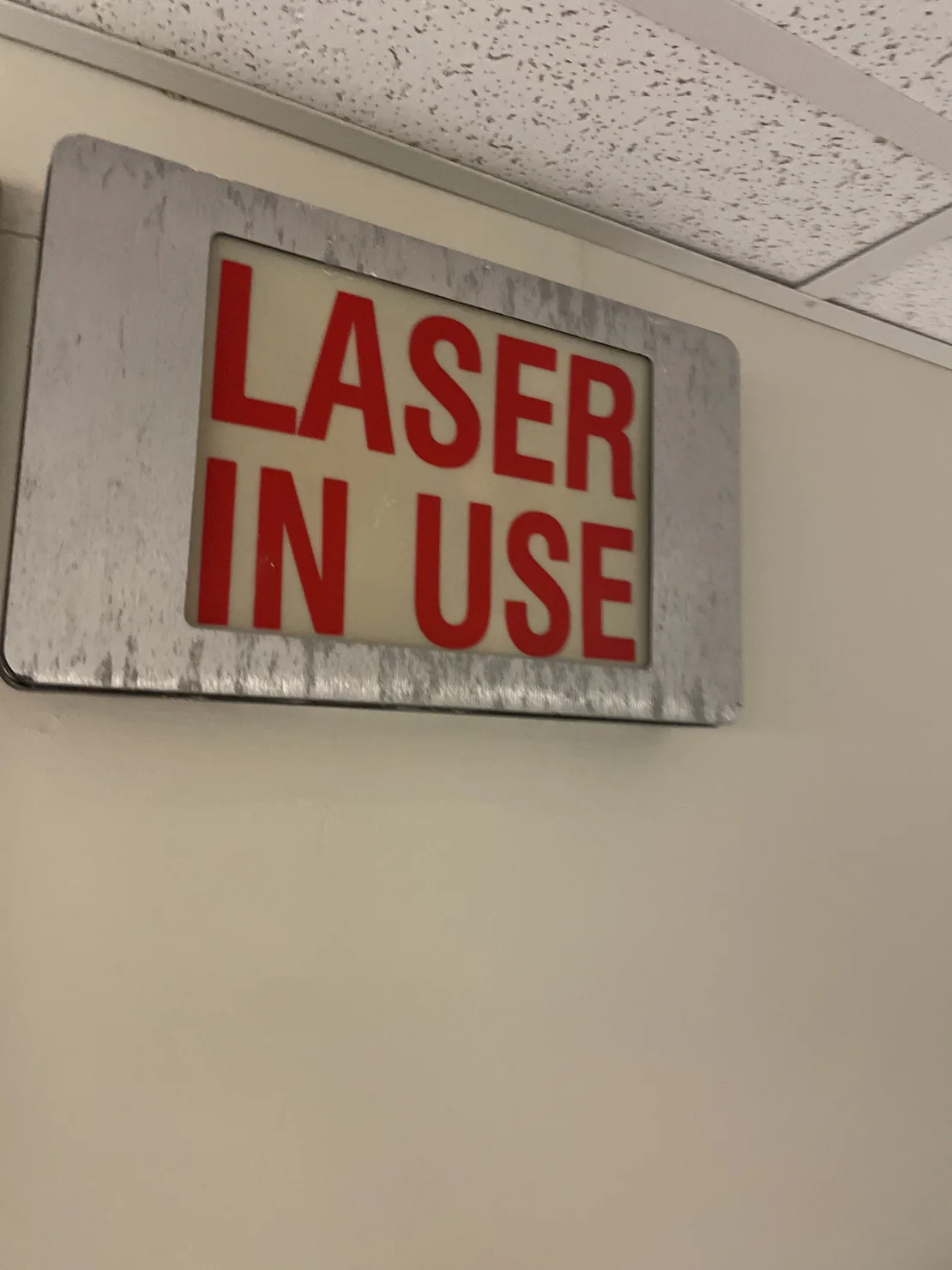
LASER IN USE sign at the LIGO Livingston observatory
LIGO Livingston · Photograph by Cory Diane.

Just an hour north of Bulbancha sits one of the most significant accomplishments of modern science—a Laser Interferometer Gravitational-Wave Observatory, LIGO Livingston. Unlike most observatories, LIGO listens to the vibrations of the universe. In 2015, this facility made history by observing a gravitational wave, recording two black holes colliding, their vibrations reaching our planet from 1.3 billion light-years away in space and time.

Built to tune into the cosmos, LIGO first hears the vibrational life of our planet—from the sounds of the observatory itself, to the thud of trees felled by loggers next door, to the cumulative breath of every wave lapping upon every shore. These vibrations represent LIGO’s “noise budget,” earthly nuisances to be filtered and muted as thoroughly as possible.

But what lives in that noise? What if we tune in to what is tuned out?

Gravitational Waves and Ecological Listening

2026 · Sound installation and performance

Presented by Jazz Generations Initiative, New Orleans. Cosponsored by A Studio in the Woods.
Gravitational Waves and Ecological Listening — documentation, part 2 · Open video ↗
Gravitational Waves and Ecological Listening — documentation, part 1 · Open video ↗
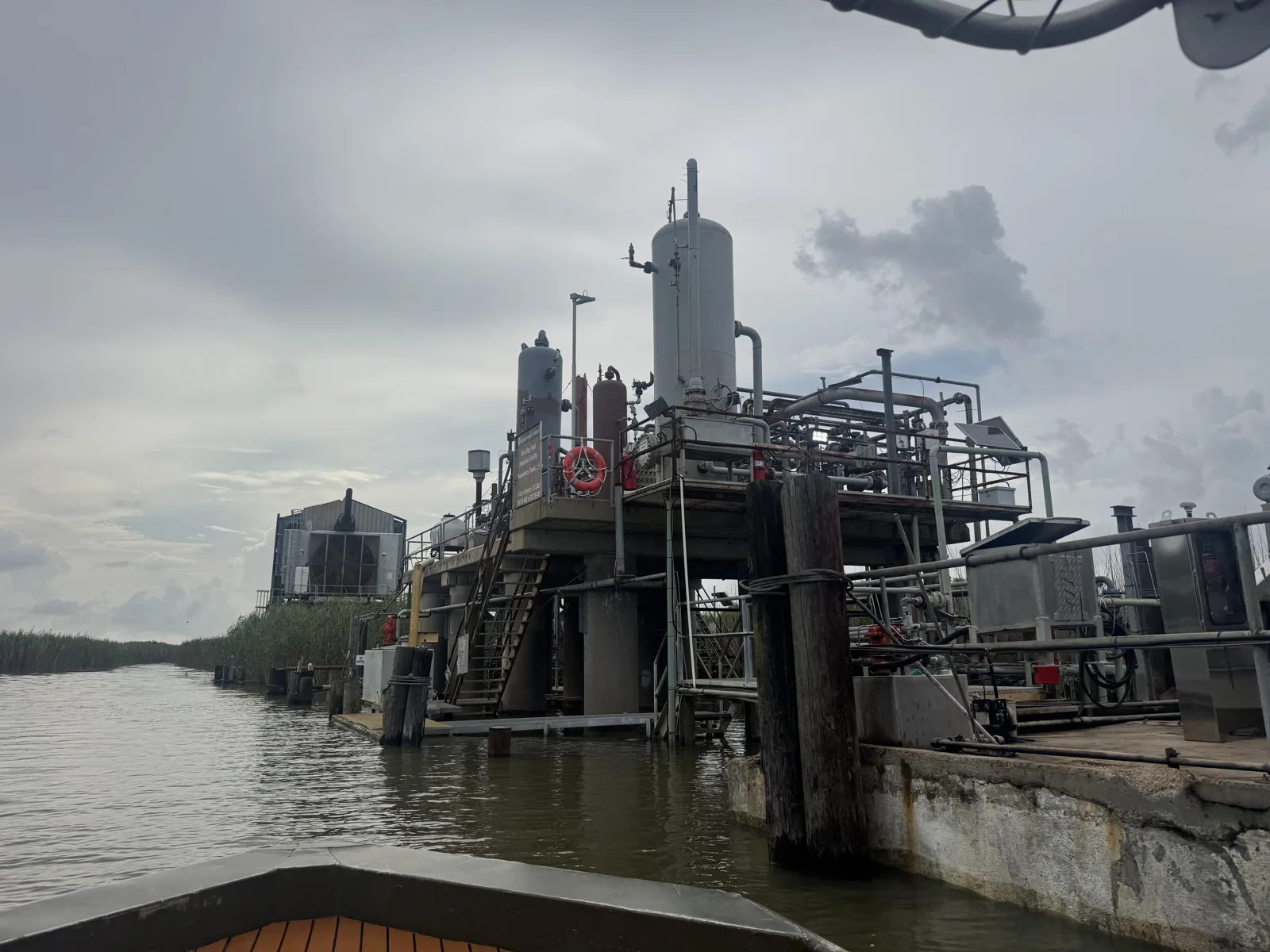
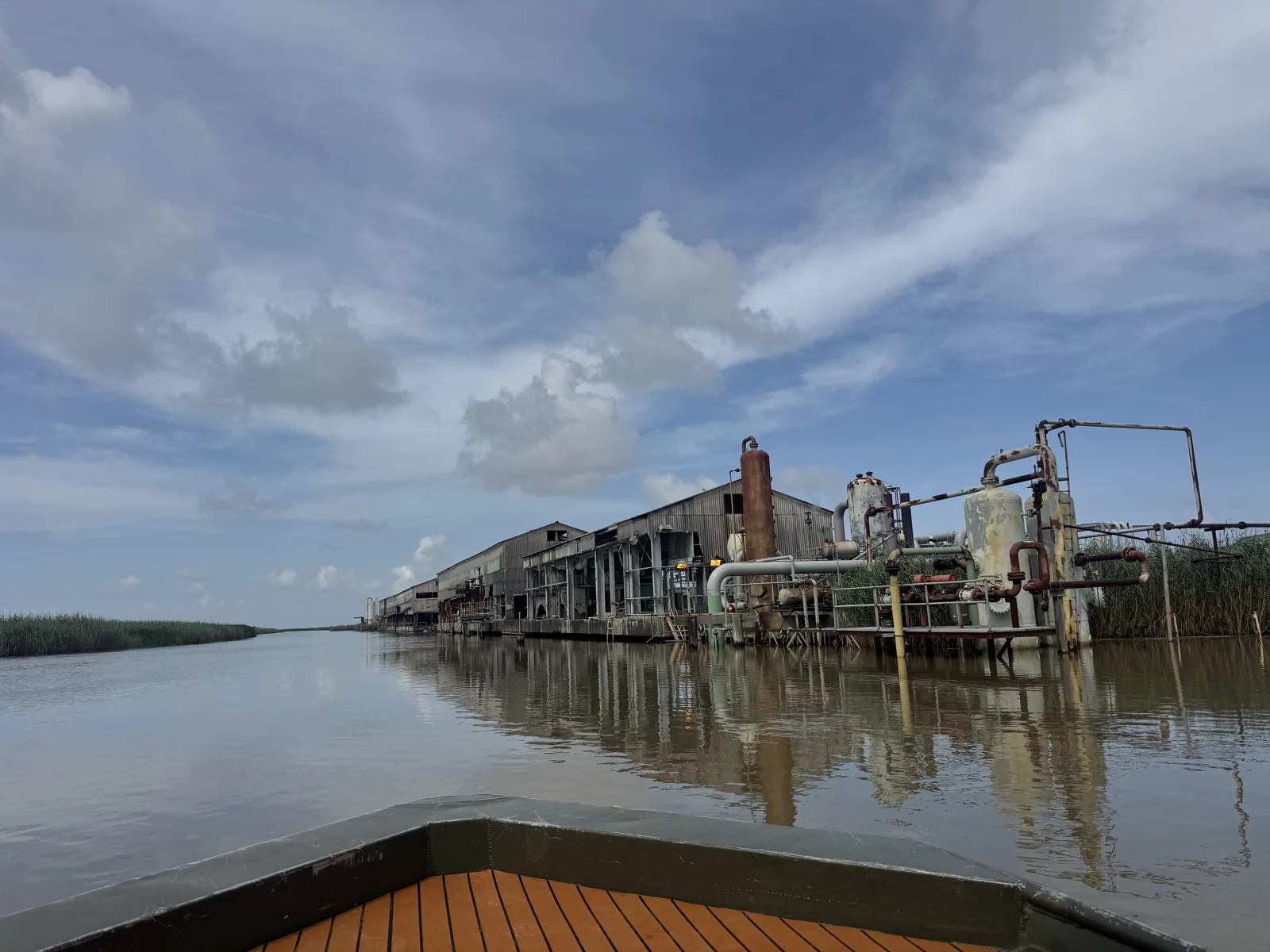
Oil and gas infrastructure seen across a waterway in the Mississippi River Delta
Industrial facility and machinery on the water
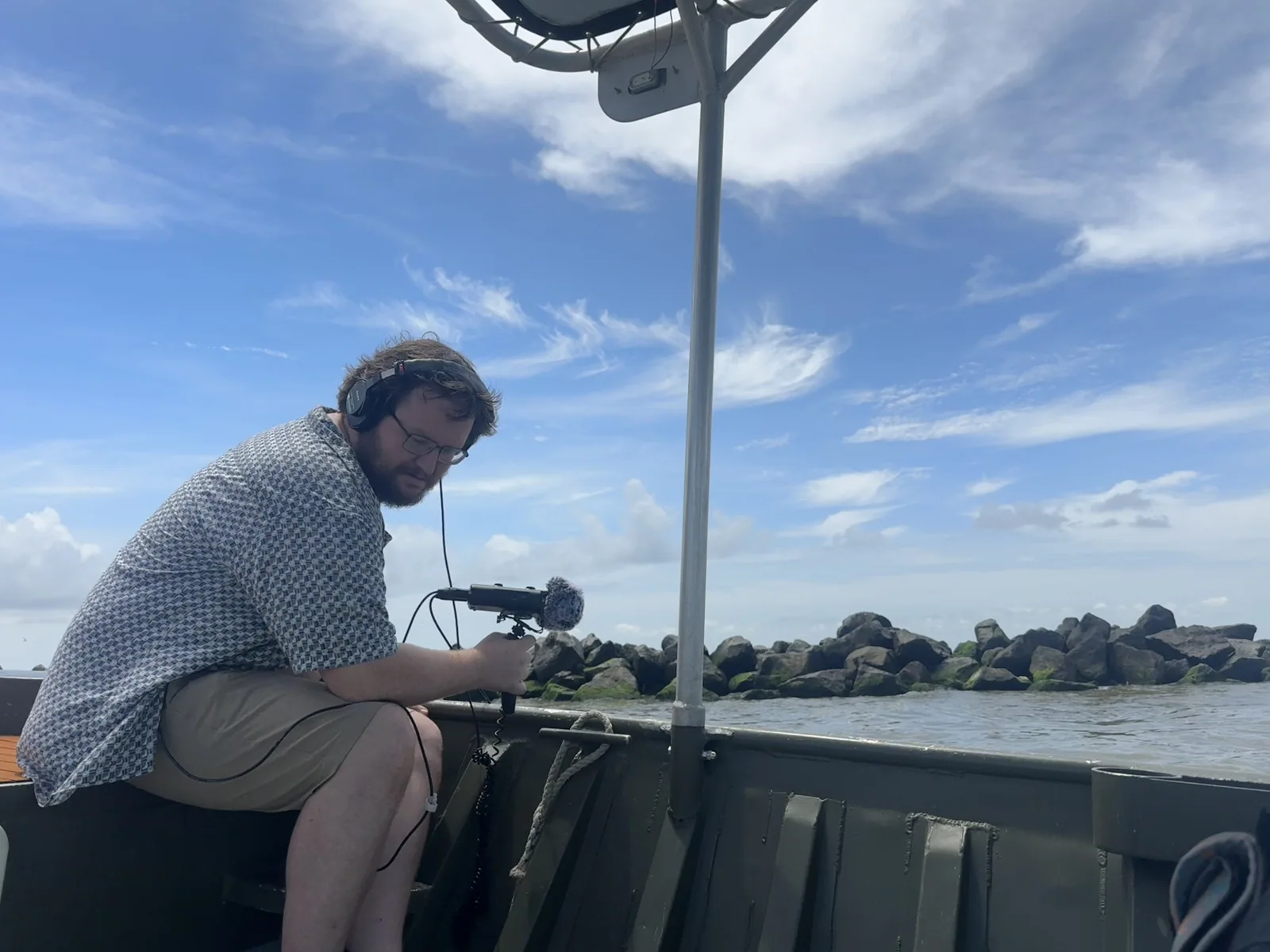
Field recording work on a boat in the Mississippi River Delta

Photographs from the artist’s Mississippi River Delta fieldwork.
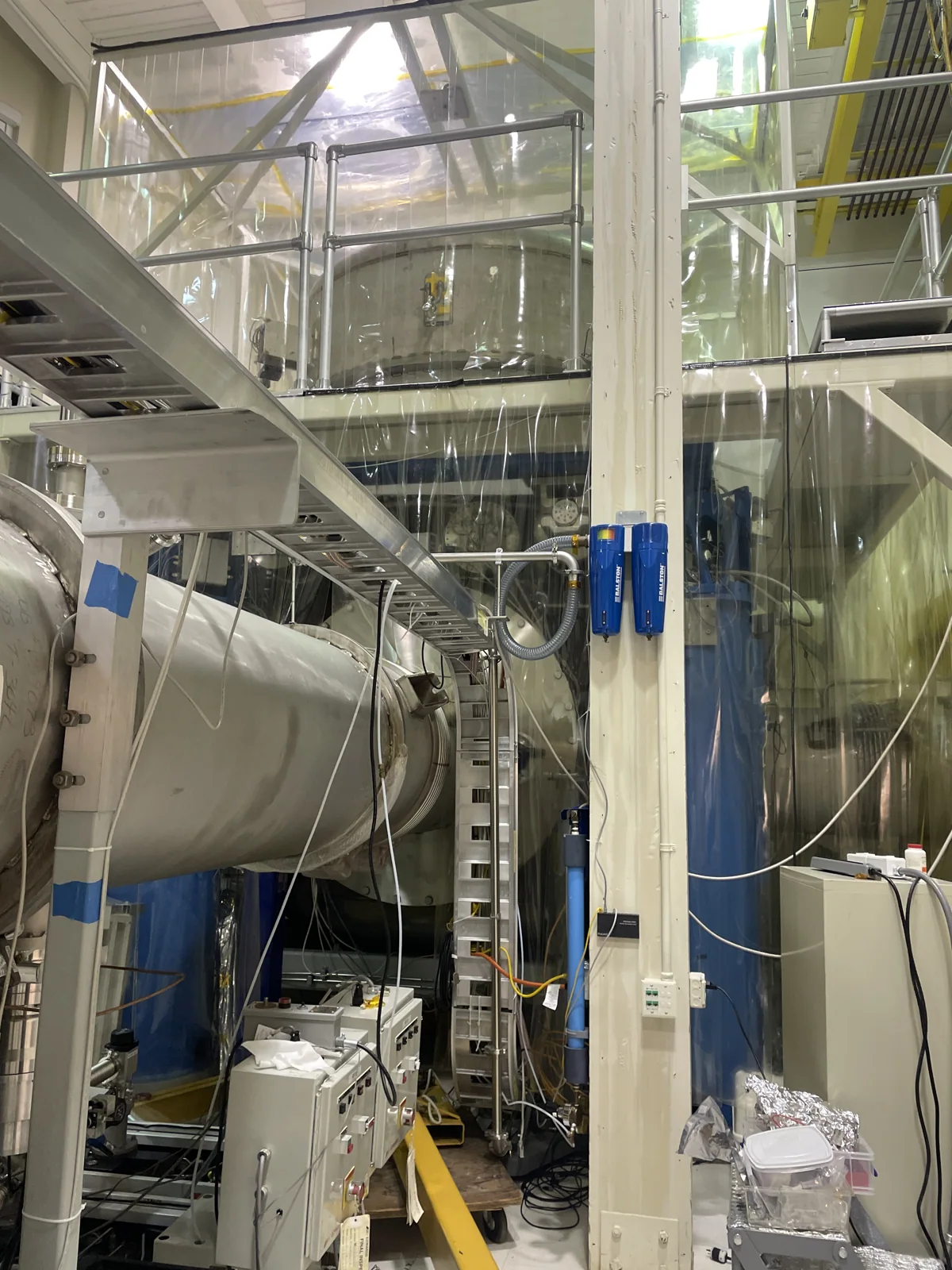
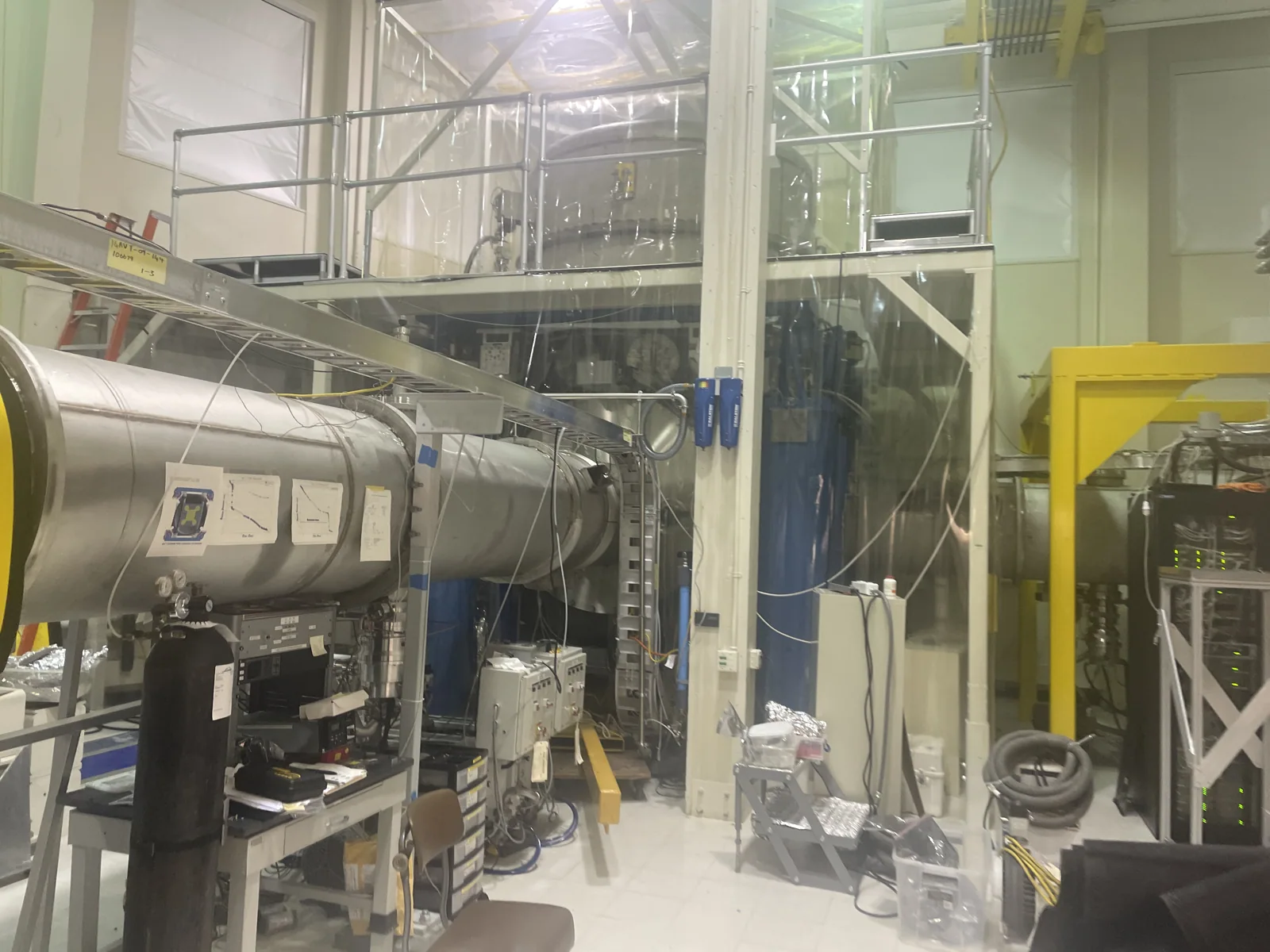
Interior of LIGO Livingston
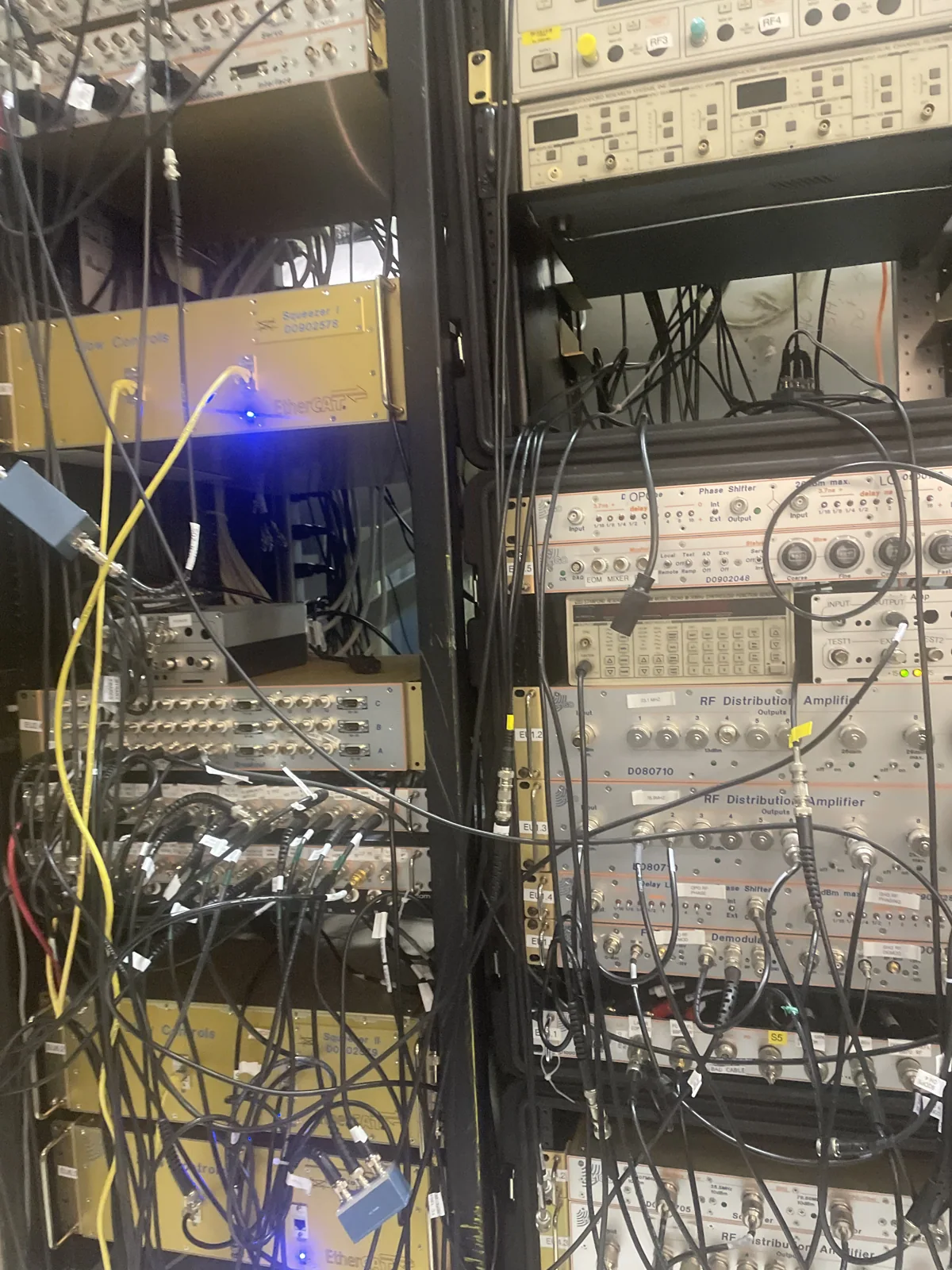
Equipment and infrastructure at LIGO Livingston
Machinery at the LIGO facility

Photographs from the artist’s visits to LIGO Livingston.

Just south of us stretches one of the greatest energetic confluences of the hemisphere—the Mississippi River Delta Basin, where the river (made now of thousands of rivers) meets the Gulf, and the Gulf meets the bayou. In this intermingling of ecosystems, where life has existed in abundance since long before the first oil well was drilled, the choruses of birds, reptiles, amphibians, and mammals share space with infrastructures of extraction: platforms, rigs, pipelines, shipping traffic, and more.

For this installation and performance, I developed new compositions connecting gravitational-wave astronomy and ecological listening. Saxophone, zither, voice, and the hidden vibrations of the room itself were paired with recordings from gravitational-wave observatories and my own recordings of Gulf soundscapes—from the hidden drones and rhythms of pipelines and platforms to underwater recordings of marine mammal communities living where the river meets the Gulf.

This work was developed in part during my 2025–2026 Self as Universe residency at A Studio in the Woods.